AI strategy and technical advisory
Together, we examine the use case, data readiness, technical options, and delivery risks before implementation begins.
Business and technical advisory
Useful AI work starts with a clear understanding of the decision or process that needs to improve. I work with businesses and R&D teams to decide where artificial intelligence or machine learning is worth pursuing, and where a simpler approach makes more sense.
Depending on the need, the work may be a short feasibility review, a focused prototype, an implementation assessment, or continued technical advice.
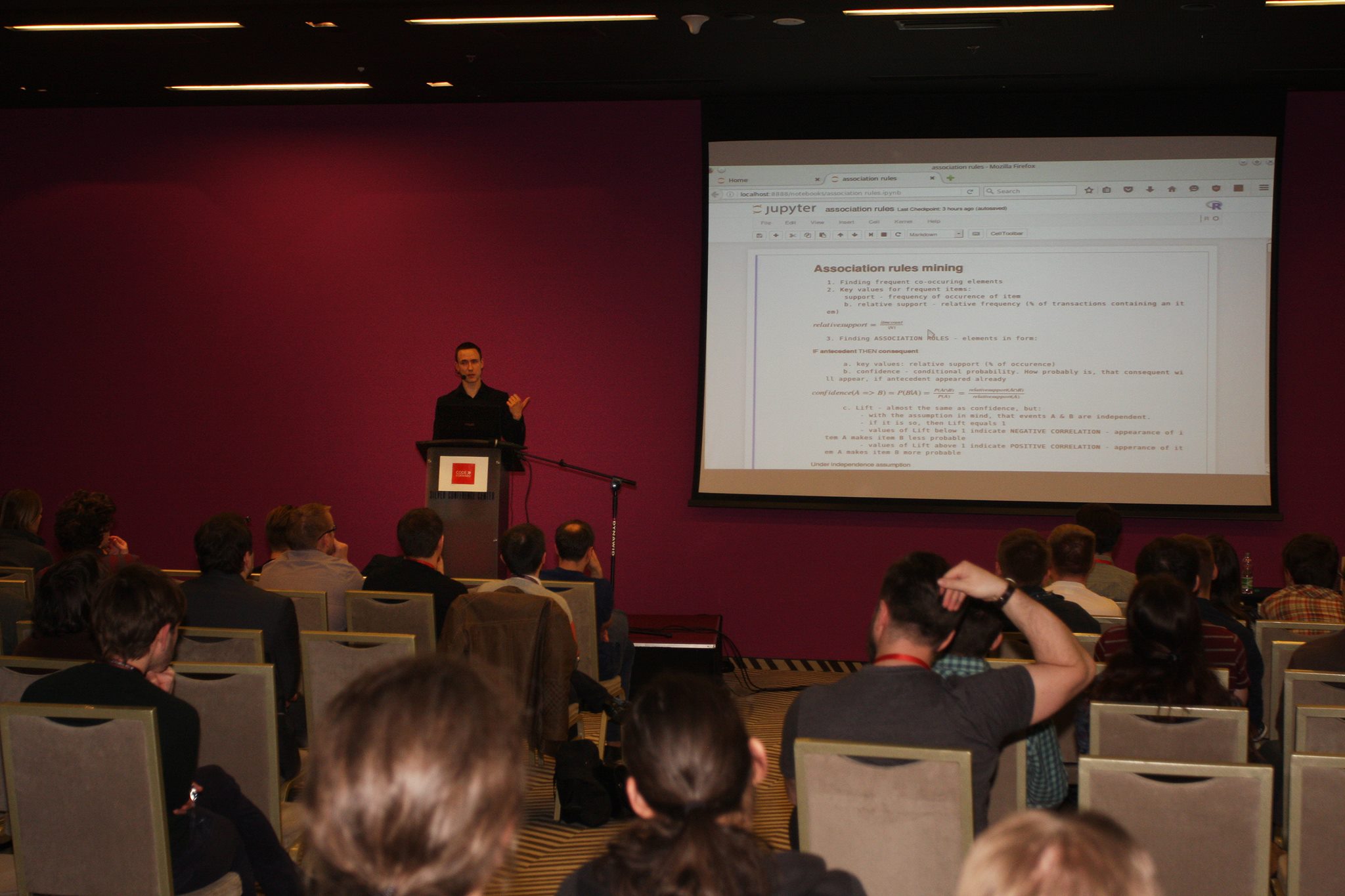
The scope is adjusted to the problem, the available evidence, and the stage of the project.
Together, we examine the use case, data readiness, technical options, and delivery risks before implementation begins.
For agentic workflows, the practical questions come first: which tools and company knowledge are needed, how the steps fit together, how results are evaluated, and where people should remain involved.
Typical areas include forecasting, anomaly detection, recommendation, optimization, natural language processing, and decision support.
Graph methods can be useful when relationships are central to the problem, for example in transaction analysis, recommendations, supply chains, and knowledge graphs.
A focused prototype can test an idea before a larger implementation. Existing data and machine-learning implementations can also be reviewed for methodology, maintainability, and reproducibility.
Sessions are tailored to the project and what participants need to learn. They can be designed for technical teams, managers, researchers, or mixed groups.
Scientific consultations can cover statistical analysis, experiment design, research software, and methodological review, with careful attention to reproducibility and the limits of the evidence.
Deep-learning course exampleTechnical choices are considered together with the business need, available data, implementation constraints, and the people who will use the result.
The decision or process comes first; the technology follows.
Data, constraints, costs, and delivery risks need an early, realistic assessment.
A useful solution must fit the existing processes and responsibilities around it.
The result also depends on whether people have the time and skills to use and maintain it.
Share a short outline of the problem, its context, and the decision it affects. That is usually enough for an initial conversation.
Get in touch